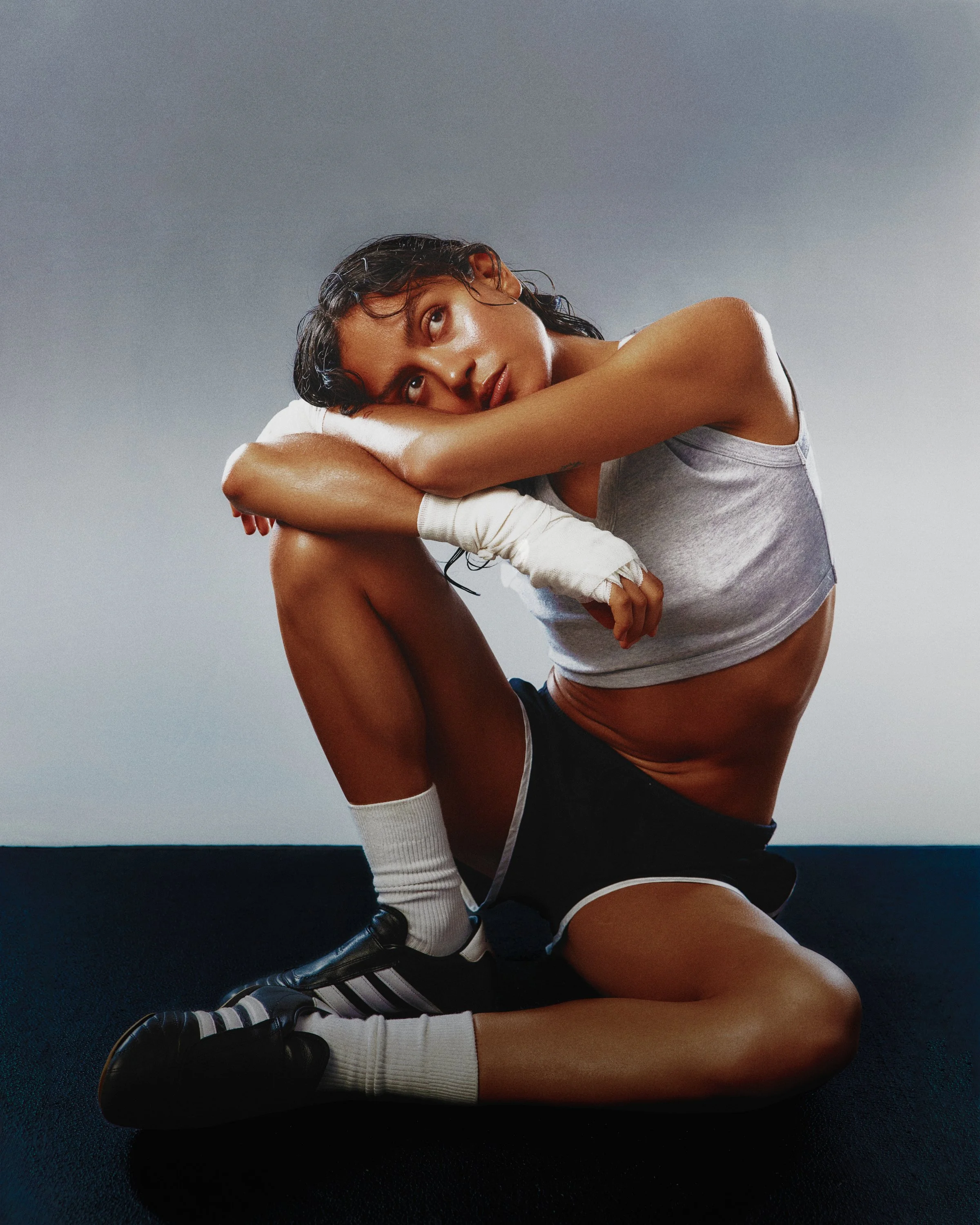
Runner chronicles: Xalli Maria Steninge
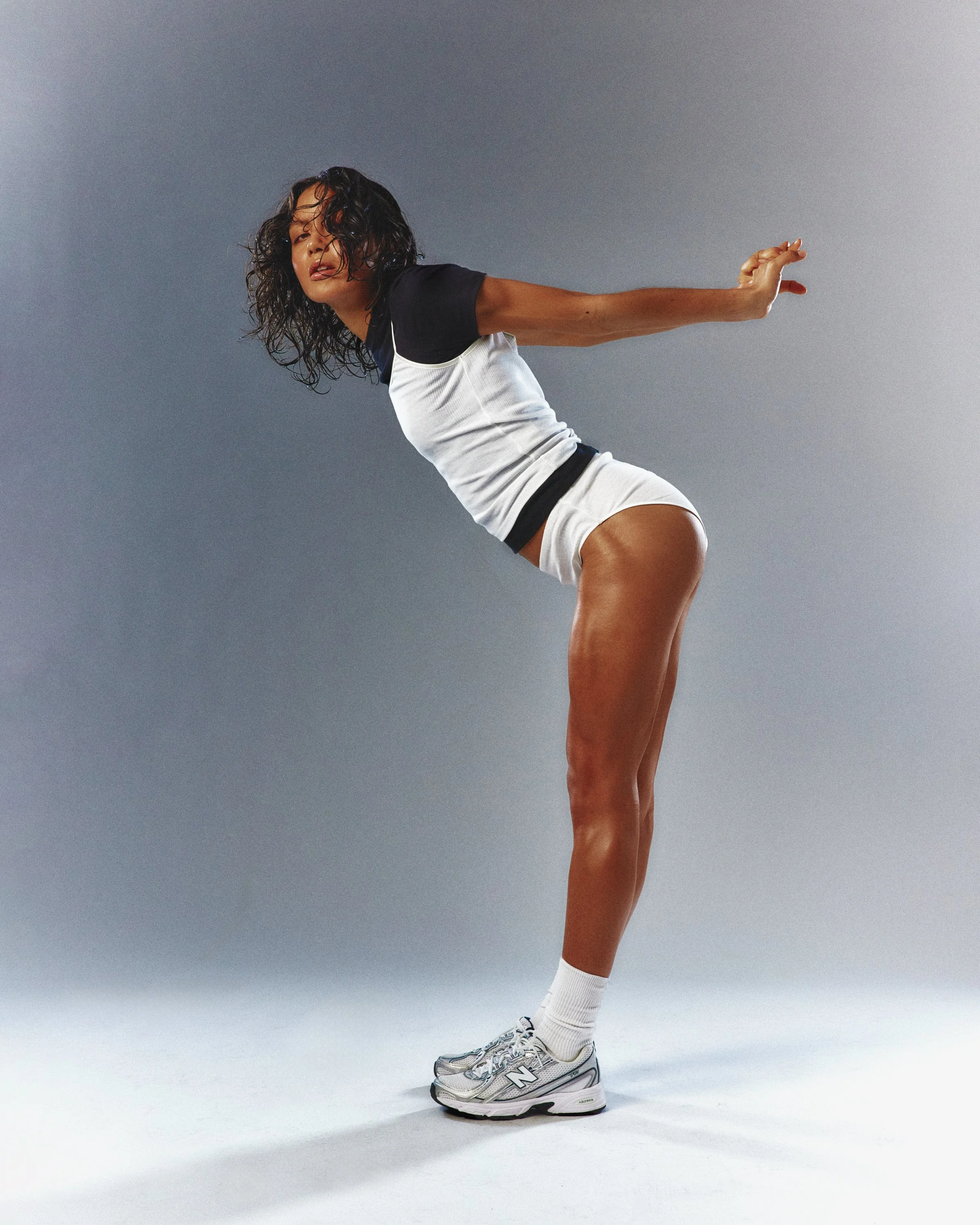
The Runner Chronicles
We’ve got an exclusive Chronicles for you, the reader. The Chronicles are meant to be read as a view into someone’s world, usually different than your own.
Of course, it’s mainly about running and movement, but more so about the daily routine we all face when we wake up each day.
It shows how certain events can stir up that routine. It explores the art of losing, gaining, and, most importantly, letting things happen.
Dive into this raw, honest read with Xalli. She’s a runner, creative, and model from Copenhagen; a city full of sports and arts that can inspire many.
This is why running matters to Xalli.
Could you introduce yourself to our readers?
My name is Xalli, I’m half Danish and half Mexican. I’m a creative, and a passionate runner.
As a runner, I’m very intuitive and spiritual. Trail running especially has a special place in my heart. It’s meditative, grounding, like a breath of air. Running keeps me sane, connected to my body, and helps me navigate life. I honestly believe it makes me a better person.
I started running seriously about four years ago, when I was living in Mexico and traveling a lot. It was the most accessible way for me to move. no gym, no gear, just a pair of old shoes and the road or the beach. That’s something I still love about running. It can be technical and performance-driven or really simple.
Lately I’ve fallen in love with ultrarunning. It’s opened a whole new universe for me, about exploring what’s possible with your body and mind. That feeling of being out there, in nature for hours, is like nothing else.
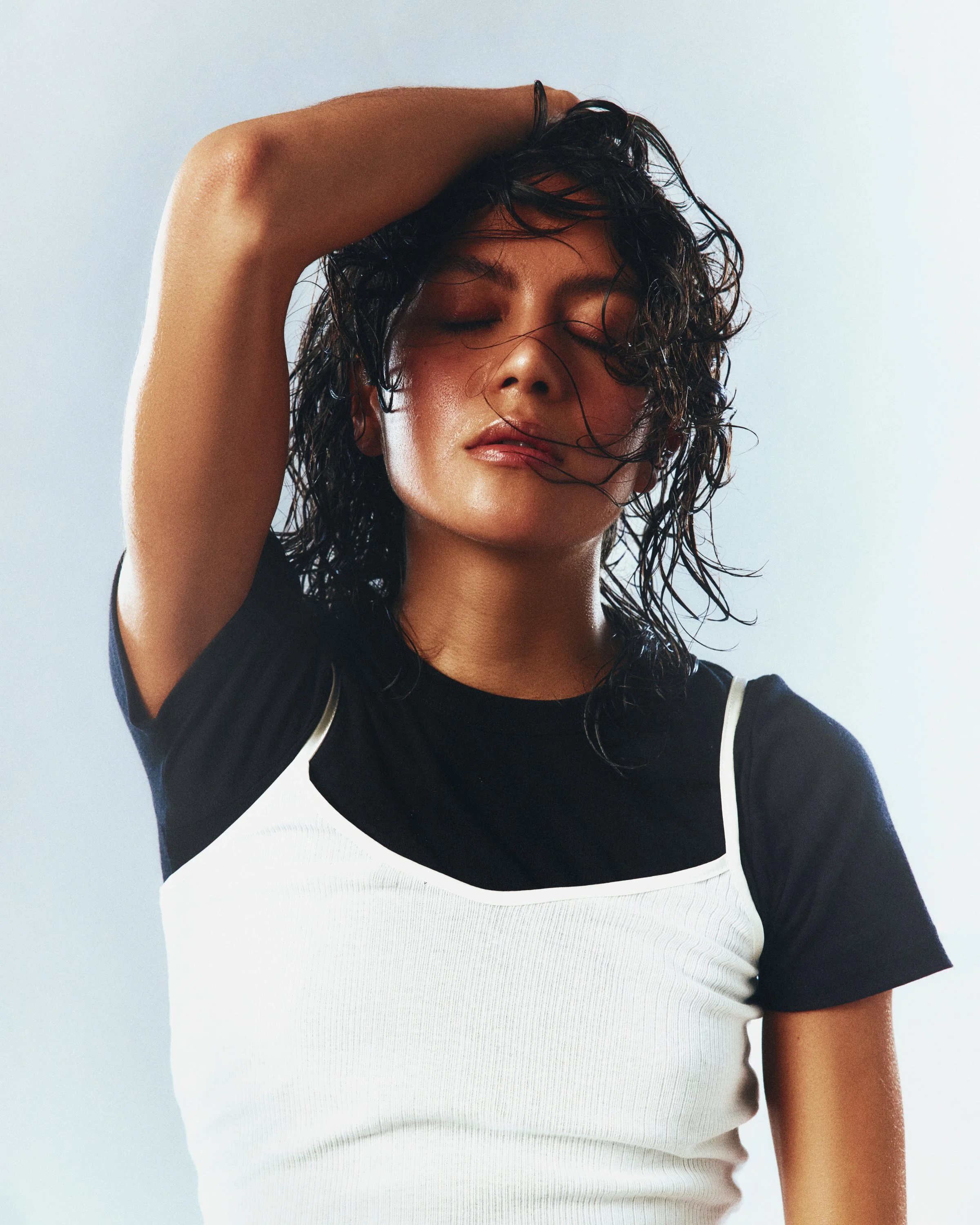
In my daily life, I work as a freelance content creator, model and a creative producer at Hyld Studio, a Copenhagen-based agency working with sports and activewear brands. I love what I do, and I try to bring the same curiosity and passion into my creative work that I do into running. The past six months have looked very different. I got seriously injured in February. My body more or less gave up on me, and I couldn’t run. It was a shock, especially after such a big year of running in 2024: one PR after another, my first ultra, and 80–100 km weeks. To go from that, to suddenly nothing… it really shook me. But it also gave me perspective. It made me realize why running matters to me.
How does your training week look like?
The injury definitely changed a lot for me. Running 80–100 km a week takes a lot of time and now that I haven’t been able to run as much, I’ve had space to explore other things. I picked up road biking, climbing, kayaking, and I really love just walking. I’m a creative person at heart, and having more time to use my hands and be still has felt really healing.
What I’ve missed most about running is the peace of mind it gives me. The time spent outside. The mental stillness and the reflection. A lot of my best ideas come when I run, it’s almost like dreaming!
Even though I’ve had to shift how I move, running is still more than a passion for me. I see myself as an athlete. And right now, my mindset is focused on becoming a stronger, smarter, and more self-aware athlete. Getting injured was a wake-up call. I made some poor decisions around training, rest, and fueling, but hey; to be old and wise, you first have to be young and a stupid, right?
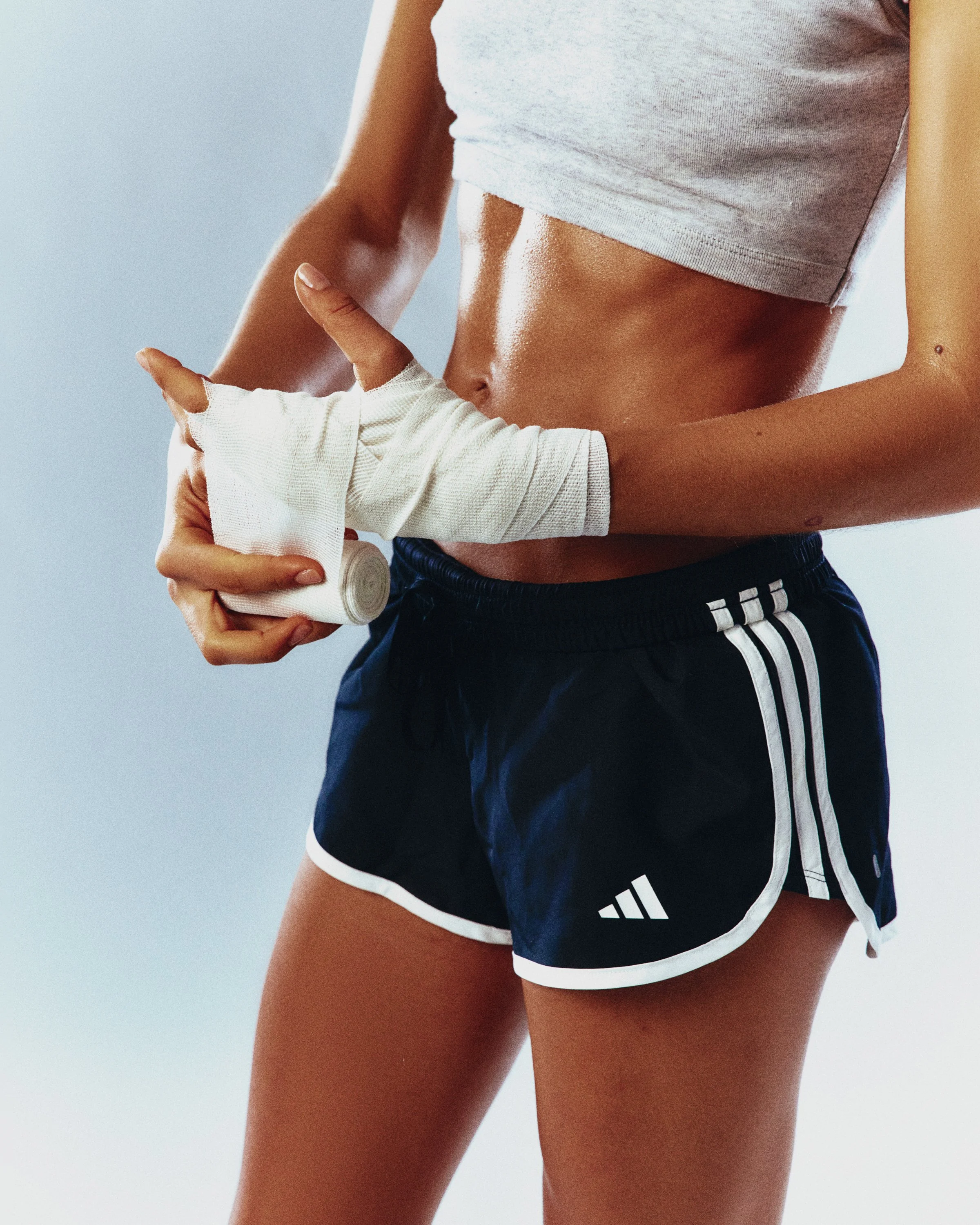
I’m still learning. At the moment, I run as much as my body allows, I’m building back my mileage slowly and intentionally. I’ve stopped running with a watch. I’m practicing mindful running: tuning into how I feel, running for joy, not pace. Maybe one day I’ll wear a watch again, but right now, I don’t.
My days usually start around 6:30–7:00 and I’m in bed by 9–10pm. Sleep is non-negotiable for me. I don’t drink alcohol and I’ve been sober for a year now and honestly, it’s one of the best decisions I’ve made. My people respect that, and support my dreams and goals. And it doesn’t stop me from having fun! Maybe my idea of a “good time” just looks a little different than most people my age, haha.
Right now, I’m training for a 100 km ultra trail race in Mexico this October. That’s my kind of fun.
Let’s talk fueling.
I’m not a nutritionist, but I do have strong opinions based on experience, and from being a female runner.
Nutrition is just as important as training and rest. Food is fuel. You want to run well? You have to eat well. It sounds obvious, but in endurance sports. Especially for women , that message often gets lost.
We’re not small men. Our bodies work differently. Our needs change across the menstrual cycle. And when we ignore that, or try to force ourselves into standards that weren’t designed for us, the consequences can be serious. Losing your period, chronic fatigue, stress fractures… sadly, that’s not rare.
There’s also still a harmful ideal out there about what a “strong” or “fast” female runner should look like. And that ideal often doesn’t reflect health, or performance. It reflects old standards that I think have held many female athletes back.
Luckily, things are shifting. More athletes are speaking up, and more research is showing that health and longevity in sports can look different.
So no, I don’t believe in a “perfect” diet. Personally, I like to eat varied and balanced. Around my workouts I prioritize carbs and protein. I love colorful plates, lots of fruits and veggies, I try to get my nutrients through whole foods rather than supplements. That said, I do take a few: magnesium (for recovery and sleep), vitamin D (because we lack sun exposure in Denmark), and Ashwagandha (for stress support ).
But at the end of the day, it all comes back to listening to the body. I want to help normalize conversations about proper fueling, especially for younger women in sport, so we can run strong.
How do you show up again and again?
The secret is… it’s never going to be easy, haha! Every run is hard in some way. But I think the trick is to make it a habit, not something you debate with yourself every time.
And the reward! Aaaaah. Runner’s high is real. The feeling of moving through nature, no matter the weather, is pure magic. You feel alive, connected, free. That’s what keeps me coming back.
After running an ultramarathon, I realized it doesn’t matter if it’s 5 km or 50 km. It’s always just one step at a time. One foot in front of the other. And after a while… it starts to feel reeeal good.
So I keep going. I breathe. I smile. And I remind myself that I’m out here because I want to be. And just repeating to myself: “What a time to be alive.”
Best running gear?
I love trail gear. Shoes, clothes, hats, hydration packs: give me trail everything! I like to have fun with what I wear, but comfort and quality always come first.
Right now, I’m obsessed with my District Vision sunglasses (model: Takeyoshi, Altitude Master Black + Antifog). I use them for both running and everyday life. I love pieces that work both on the trails and on the street, that balance between function and aesthetics.
Same goes for shoes: I like them to perform well, but also to look and feel good off the run.
How do you prevent injuries?
I’ve learned a lot over the past few months, and I’m still learning.
The most important lesson? Rest.
For me, injury wasn’t just physical, it was also a reflection of life stress catching up with me. I’m a busy woman, haha. But stress impacts us as athletes more than we think, and learning to manage that has been key. Prioritizing good food, good people, yoga, and meditation has really helped me regulate my system.
I’ve started to see my injuries as my body’s way of communicating. Telling me to slow down. It’s been painful, but also powerful. My body was forcing me to pause, and in a way, it was taking care of me when I wasn’t doing that myself.
I’ve come to appreciate that. Listening to those signals, before they turn into injury, is something I’m working on now, with more compassion and patience.
You ran the Fyri Trail race of 56km.
Fyri was unreal. I almost don’t have words for it. When I crossed the finish line, I felt like I had seen the meaning of life for a moment.
The entire race felt like a metaphor for life. During the run pushing through hills and low points, I kept telling myself: “Xalli, this is just like life. Every time there’s a mountain, it’s hard. But you get to the top, catch your breath, enjoy the view… and then comes the downhill.”
(What I didn’t know at the time was that the downhill part would be the worst part).
At 50 km, I got a sudden overuse injury in my knee. I couldn’t run anymore. I was crying, frustrated, and devastated, I only had 6 km left. A stranger stopped to help me tape my knee with a band, and somehow, after some time, the pain just disappeared. I was able to run the last 3 km, pass the guy who helped me, thank him, and finish in 9 hours and 20 minutes. Pure magic.
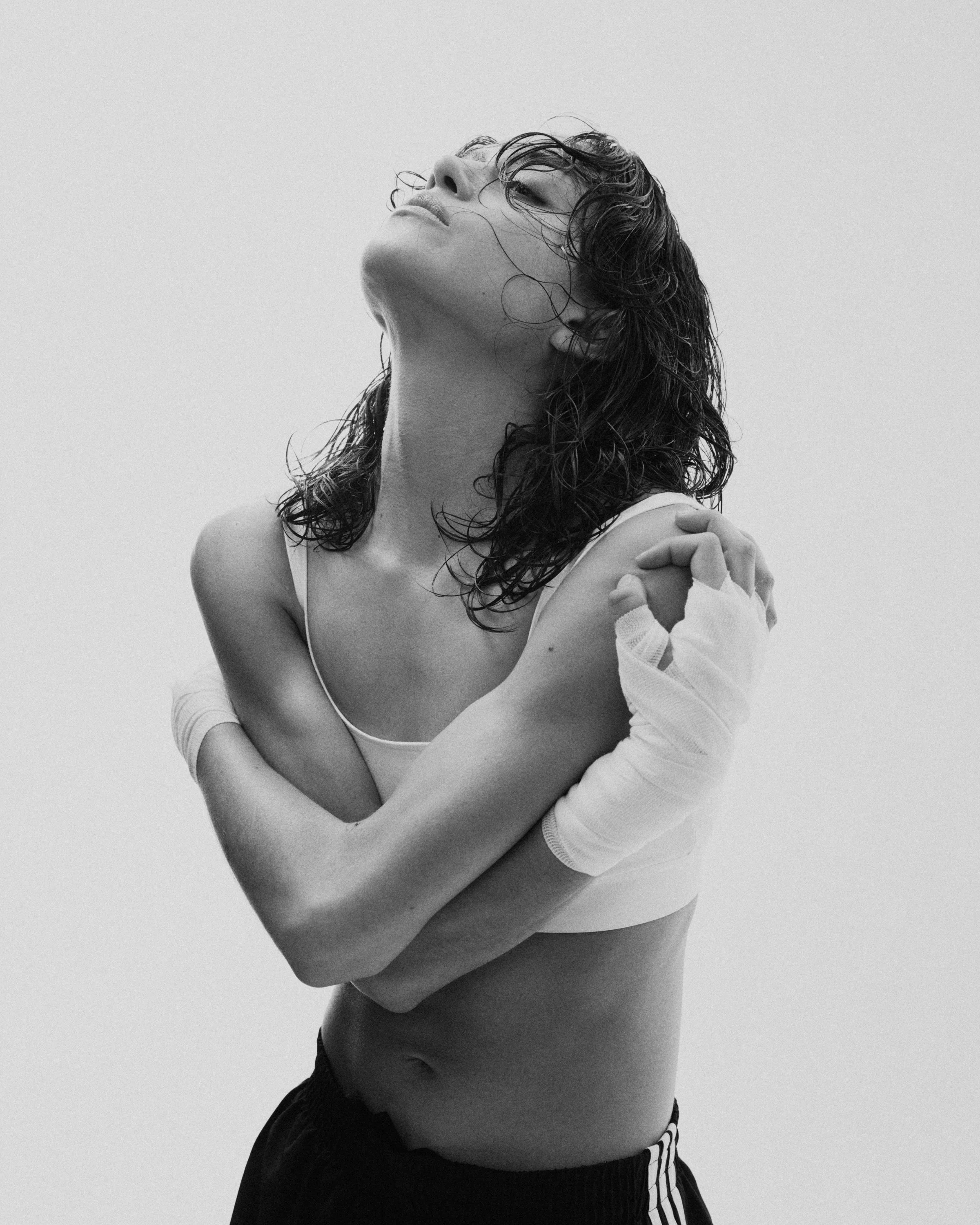
Trail running makes me feel alive. It reminds me I’m a human being on this Earth. Not a machine, not a number. When I run trails, I feel gratitude. For my body. For nature. For being able to move forward at all.
I honestly believe my ultra run was a way of saying thank you to life.
In October, I’m running my first 100 km ultra. in the trails of Chihuahua, Mexico, alongside the Tarahumaras. I’m going back to my roots, and to the place that made me believe I could even attempt something like this. But this time, it’s not for me.
It’s for my future self. It’s for the women who doubt themselves. If I can do it, so can you.
Lastly, best running tip for our readers?
Close your eyes and take one step at a time. One foot in front of the other.
Breathe. Smile. And remind yourself that it’s a wonderful time to be alive.
That feeling? That’s what makes running the wonder that it is.